
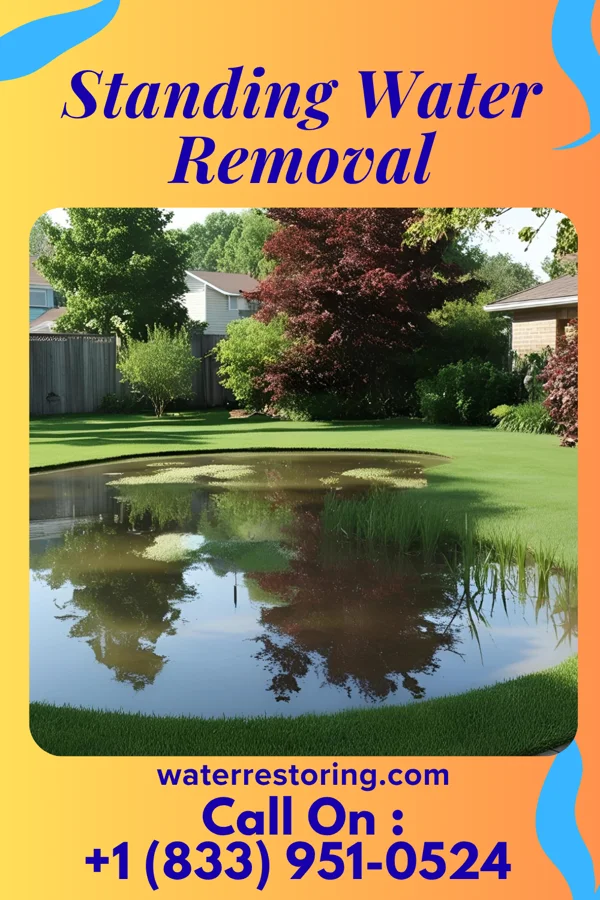
Standing Water Across Klukwan Neighborhoods
Every neighborhood in Klukwan has a different water damage risk profile. The one that shows up on most restoration calls is In Klukwan, Alaska, the primary water damage cause is often related to seasonal thawing of permafrost and melting snow, which can lead to sudden flooding in basements and lower-level structures. Additionally, heavy rainfall during the summer months can overwhelm local drainage systems, causing water to pool around homes and infrastructure.. A close second is Secondary causes include leaking plumbing in older homes, faulty appliances, and stormwater runoff from nearby Mosquito Lake. The remote location of Klukwan also means that emergency response times can be longer, increasing the risk of water damage if not addressed quickly..
Klukwan experiences a subarctic climate with long, cold winters and short, cool summers. The thawing of permafrost and the presence of nearby water bodies like Mosquito Lake create a unique set of challenges for water damage restoration, requiring specialized knowledge of local conditions.
Water damage in Klukwan follows a few local patterns. In Klukwan, Alaska, the primary water damage cause is often related to seasonal thawing of permafrost and melting snow, which can lead to sudden flooding in basements and lower-level structures. Additionally, heavy rainfall during the summer months can overwhelm local drainage systems, causing water to pool around homes and infrastructure. accounts for the bulk of our calls. Klukwan experiences a subarctic climate with long, cold winters and short, cool summers. The thawing of permafrost and the presence of nearby water bodies like Mosquito Lake create a unique set of challenges for water damage restoration, requiring specialized knowledge of local conditions. Due to the high humidity levels and frequent rain in Klukwan, mold can develop within 48 hours of water exposure. Prompt action is crucial to prevent long-term structural damage and health risks in the region's homes.
For public guidance on the health effects of mold after prolonged water exposure, see the EPA mold and health page.